2 hr
Pula Arena Amphitheater Entry Ticket
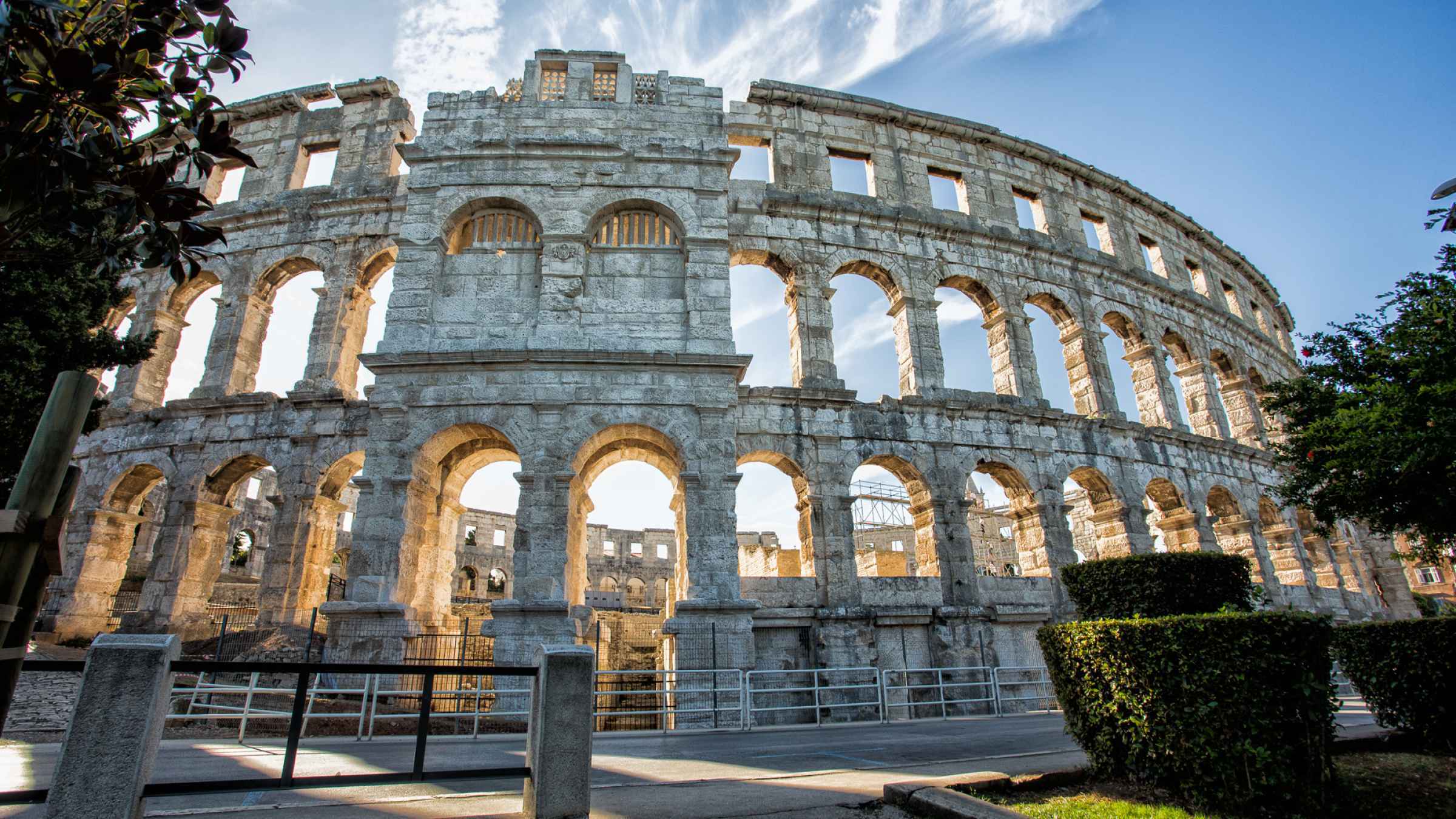
Step into Croatia's iconic Roman amphitheater and explore ancient gladiator chambers with artifacts
Reserve
Walk the ellipse where gladiators fought, stone intact from Vespasian's reign
Hand-picked by our editors — only the best 4 experiences from 17 reviewed
Verified partners for Amphitheater Pula tours, free cancellation where available, and instant confirmation on every booking.
2 hr
Step into Croatia's iconic Roman amphitheater and explore ancient gladiator chambers with artifacts
Reserve
3 hr
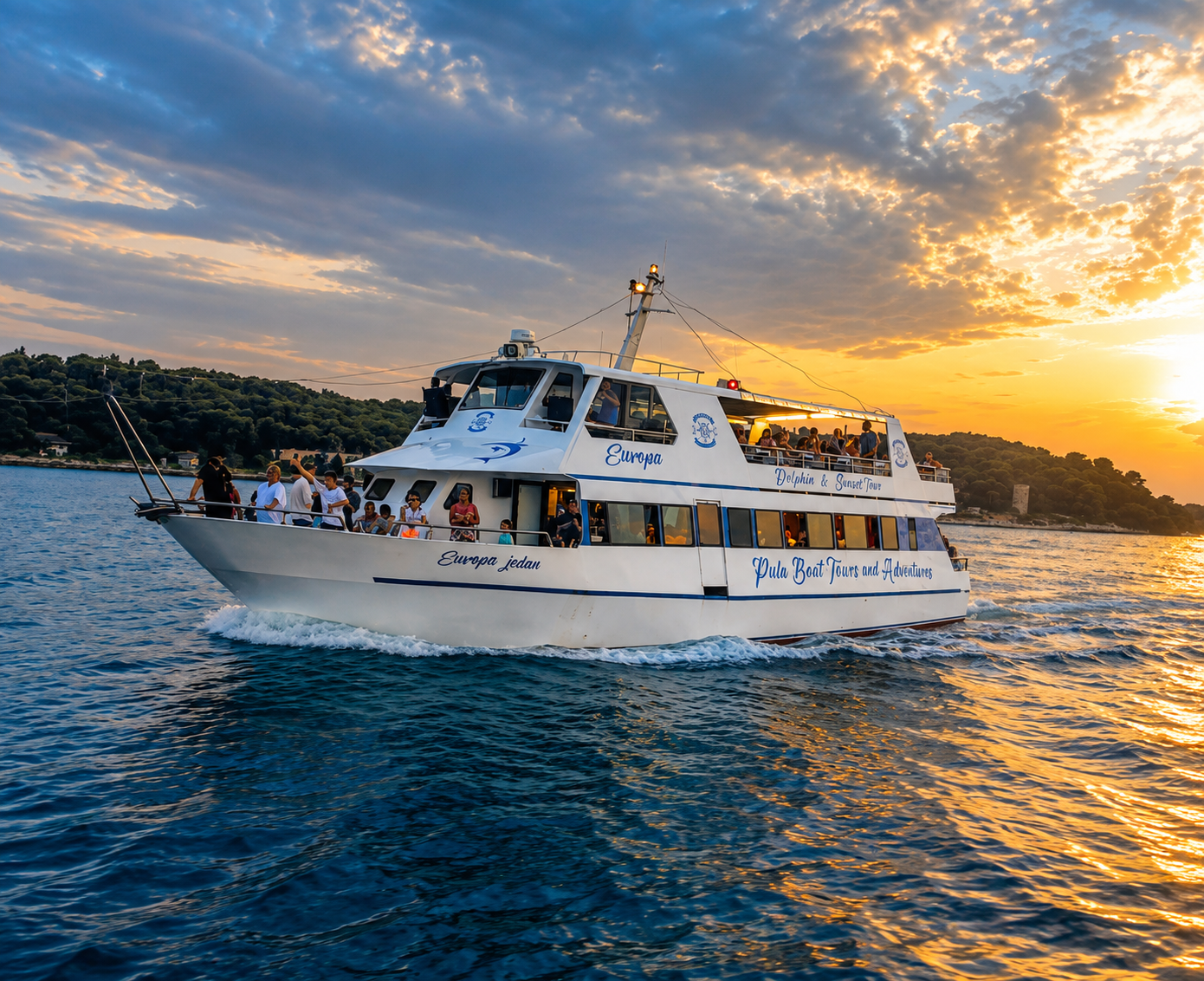
Watch dolphins at golden hour while cruising past Brijuni National Park with unlimited drinks and optional Mediterranean meal
Reserve
3 hr
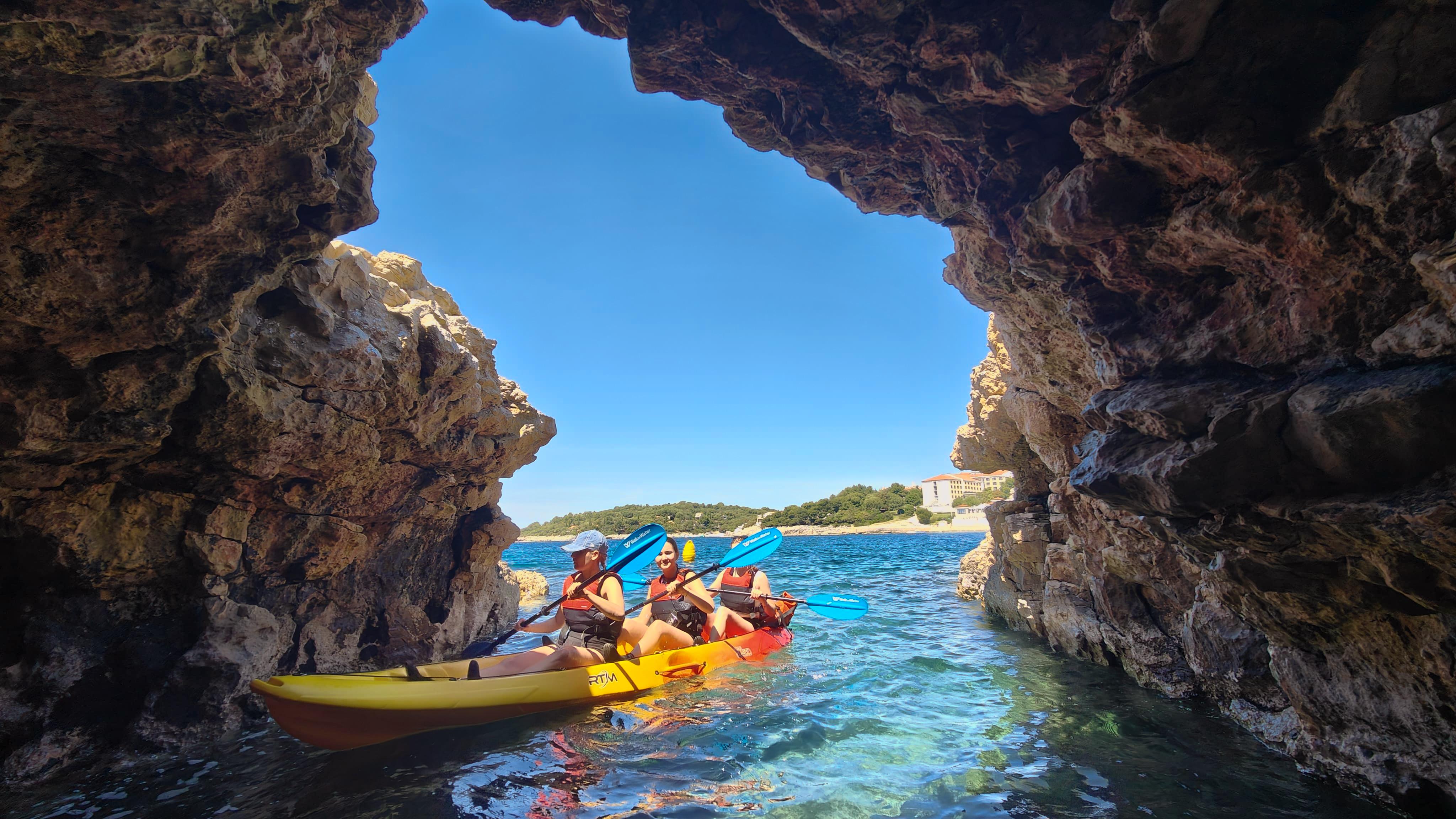
Paddle to a pigeon-inhabited cave, hop between three islands, and snorkel crystal waters on this coastal escape.
ReservePrices from verified partners. Availability updates in real time at checkout. Free cancellation policies apply where shown.
The landmarks, rooms, and views travelers on Amphitheater Pula tours remember — all visible on a single visit.
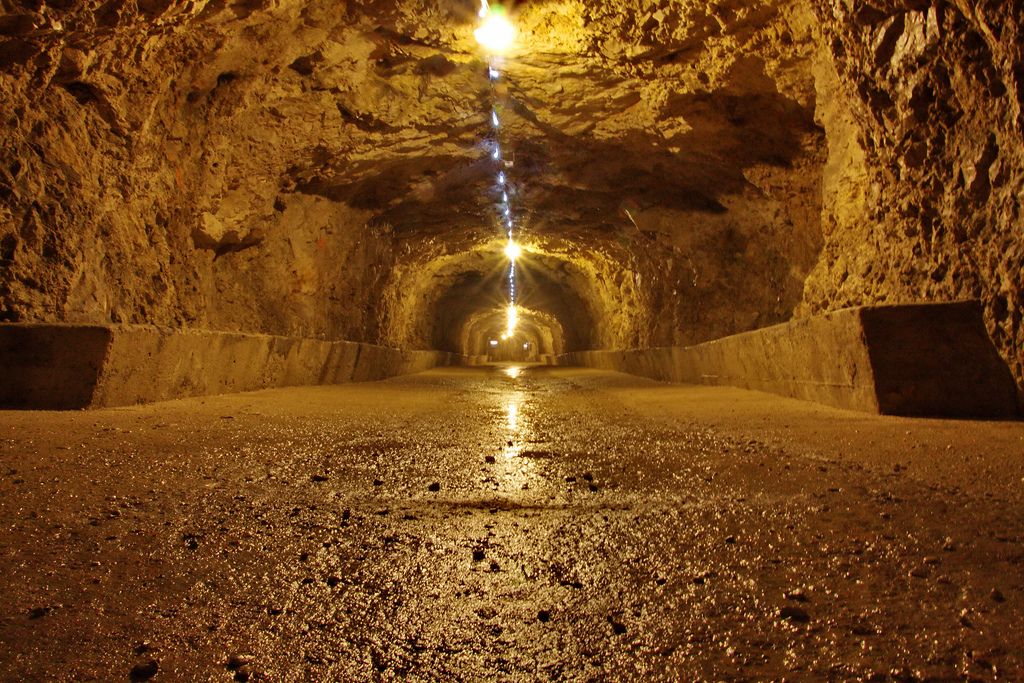
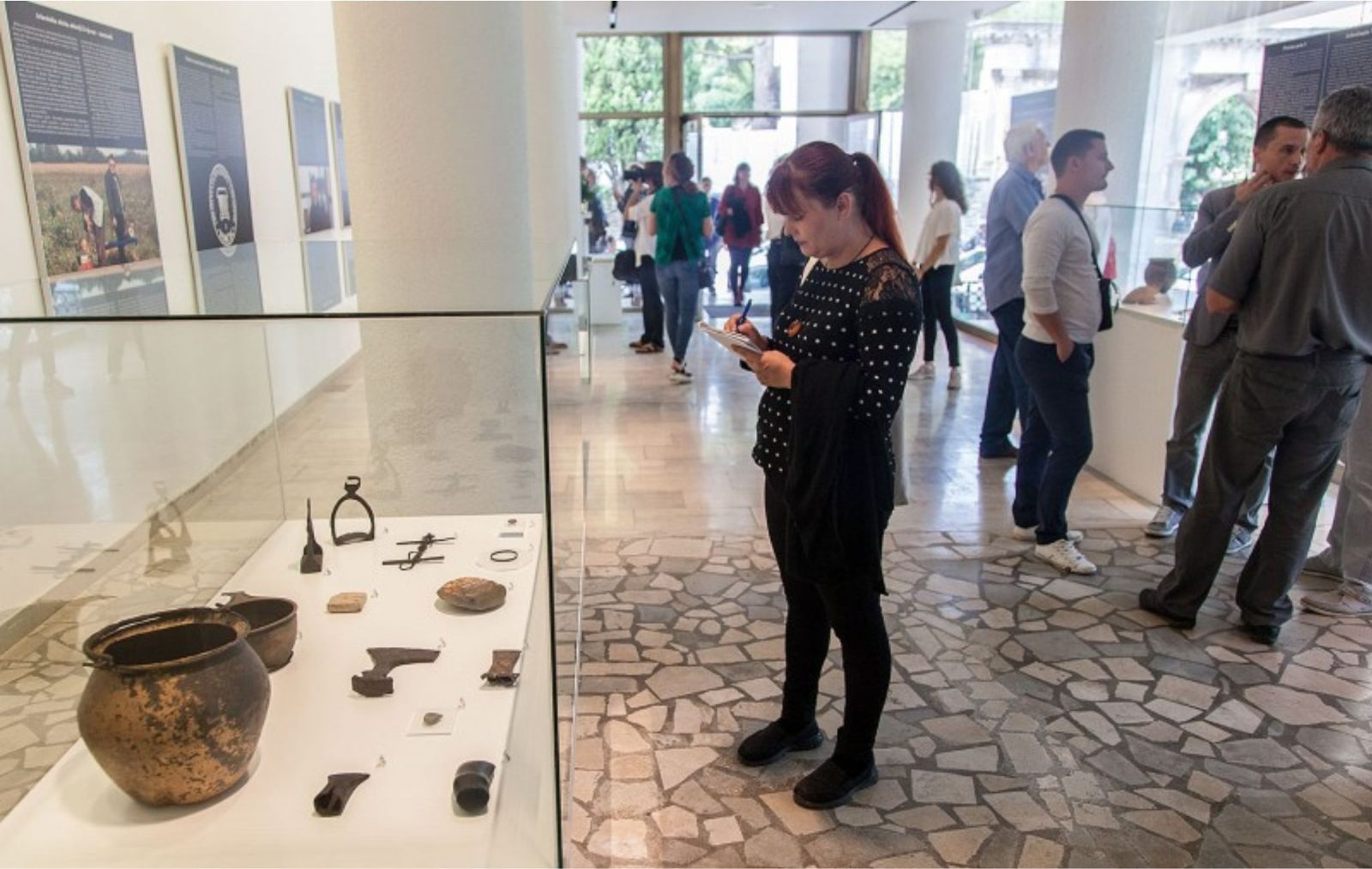
View the historical remains and tools used in Roman olive oil production in the basement galleries.
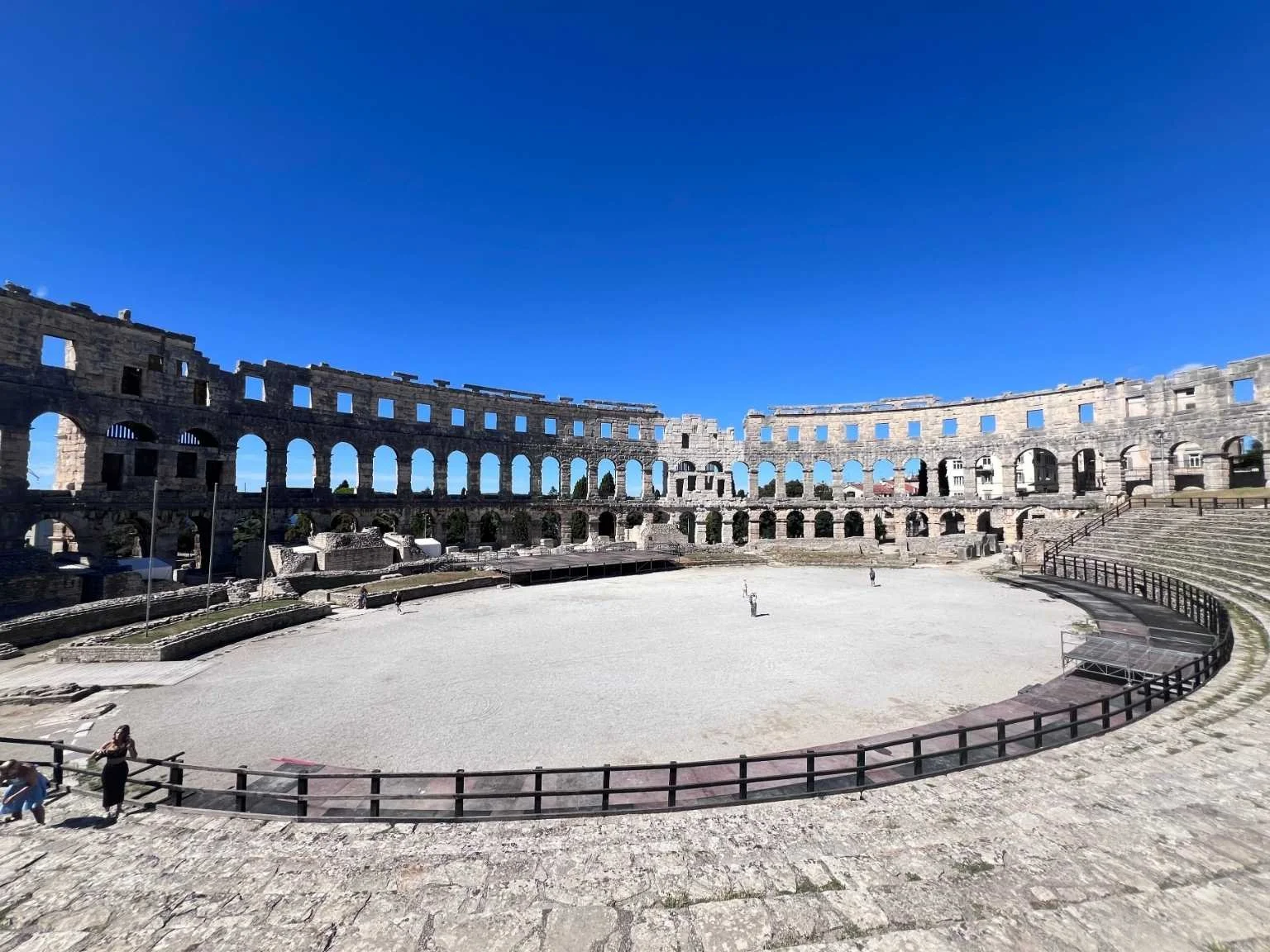
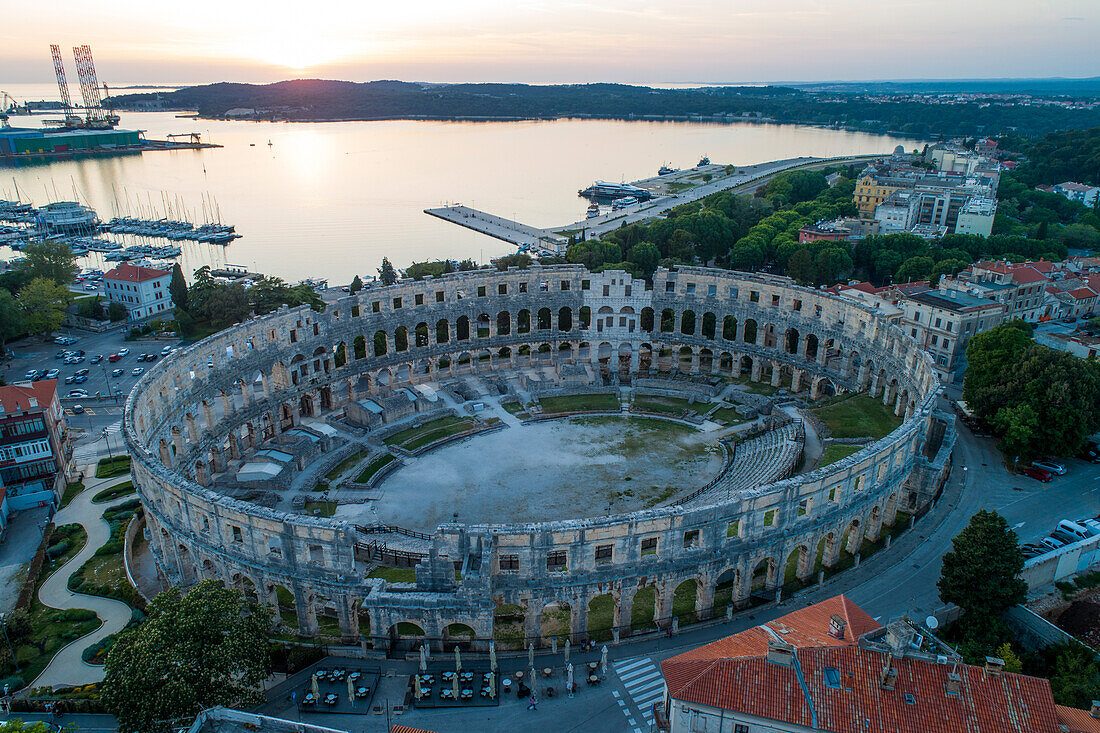
Stand in the center of this world-famous roman monument to experience its massive scale.
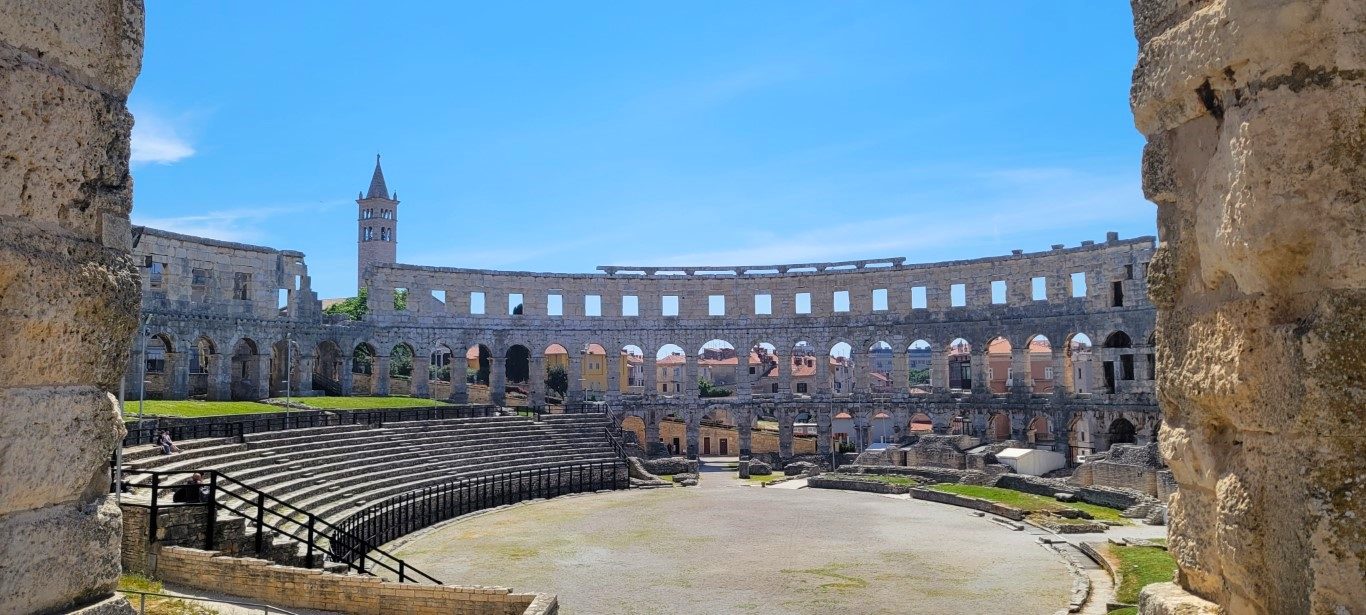
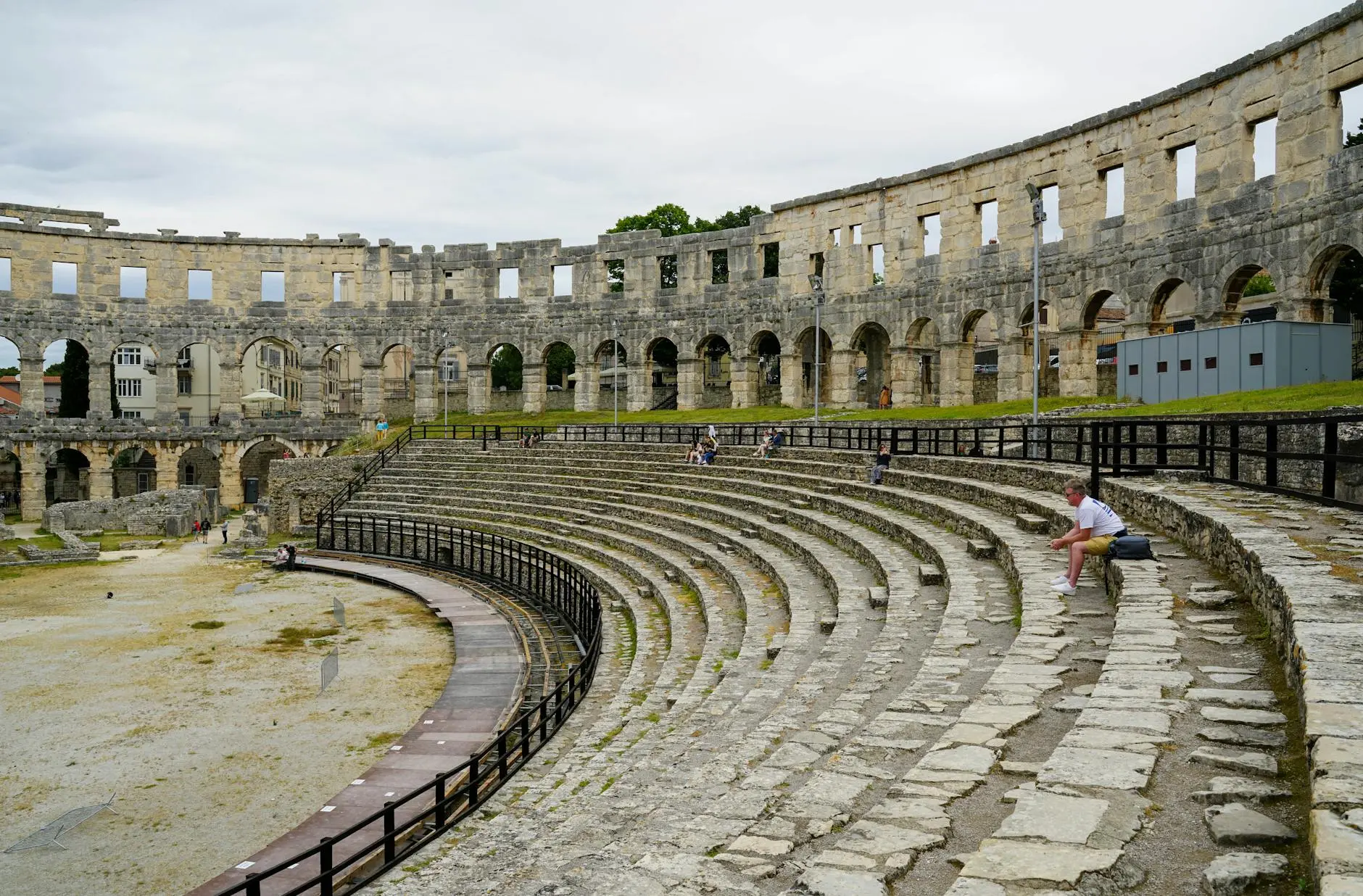
Sit upon the original seating areas where thousands of spectators once watched ancient spectacles.
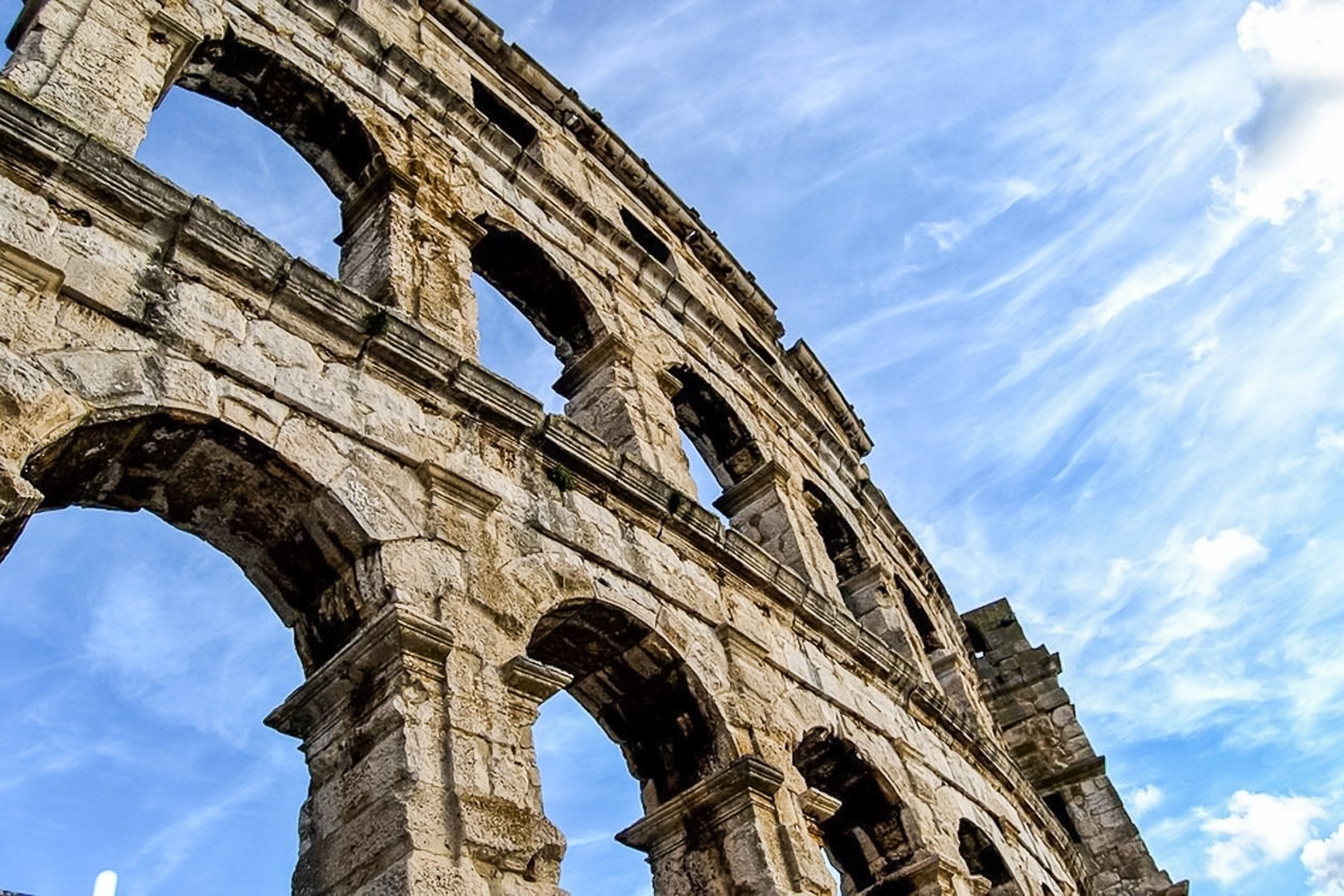
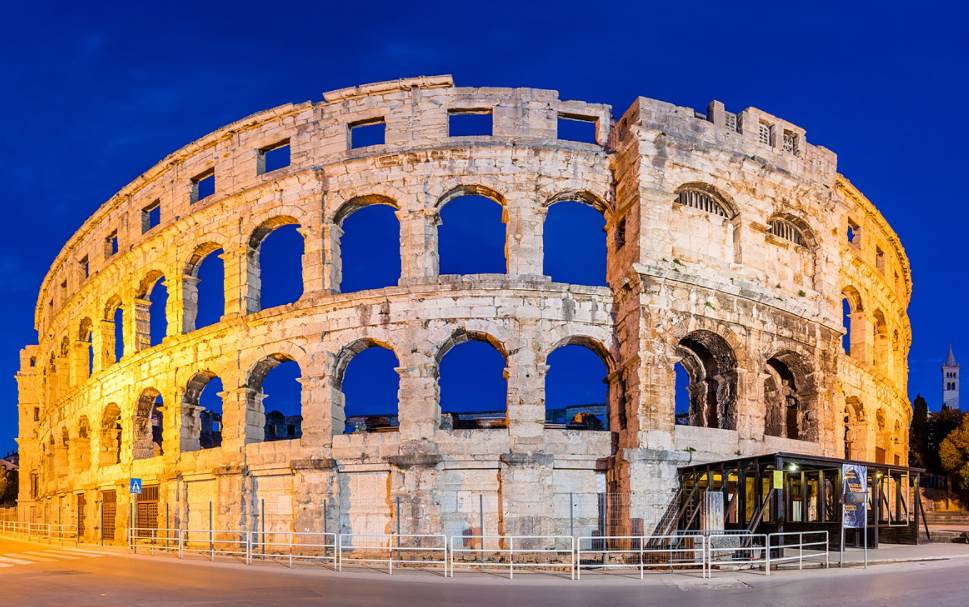
Admire the exceptionally preserved outer wall towers that remain unique among global roman sites.
Explore permanent displays detailing the history and architectural significance of the monument.
Every Amphitheater Pula tour side-by-side — duration, what's included, how you redeem.
| Experience | Duration | Rating | Guide | Small group | Free cancel. | Price | |
|---|---|---|---|---|---|---|---|
|
Standard Entry Most popular
Pula Arena Amphitheater Entry Ticket
|
2 hr | ★ 4.3 | — | — | ✓ | $11 | Book → |
|
Standard Entry
Brijuni Sunset Dolphin Cruise with Drinks & Dinner
|
3 hr | ★ 4.6 | ✓ | ✓ | ✓ | $40 | Book → |
|
Standard Entry
Pula Cave Kayaking & Snorkeling Adventure
|
3 hr | ★ 4.6 | ✓ | ✓ | ✓ | $25 | Book → |
All prices from verified partners. Availability and exact terms confirmed at checkout.
The Pula Arena offers a more intimate encounter with antiquity, whereas the Colosseum provides a grander scale that many find more overwhelming; most visitors who explore both call the Roman monument the more expansive experience. Seeking out these Pula landmarks allows for a peaceful journey through history, often proving more manageable for those looking to avoid the intense queues common with amphitheater pula tours.
| Feature | Top pick Pula Arena | Colosseum |
|---|---|---|
Scale |
Moderate footprint | Massive multi-level structure |
Crowd Density |
Low to moderate | Very high tourist volume |
Conservation Level |
Excellent exterior integrity | Substantial partial ruin |
Urban Accessibility |
Central city location | High-traffic metropolitan zone |
Historical Significance |
Gladiatorial heritage | Iconic imperial symbol |
| See tickets → |
Verdict: Choose Pula for its well-preserved Roman stonework and calm atmosphere, or select Rome if your priority is viewing the largest ancient amphitheater where you can secure amphitheater pula tickets for a comparable but far busier historical tour.
Choose your ticket, select your date, and reserve in under two minutes. Secure checkout handled by our verified partner.
Instant confirmation by email, with a mobile voucher you can save offline. No printing, no queuing at a collection desk.
Arrive at the entrance, show your voucher on your phone, and walk in. Most tickets include priority or skip-the-line access.
Practical details for Amphitheater Pula tickets straight from our verified partners — hours, access, rules, and how to get there.
Flavijevska ulica, 52100
Primary entrance for visitors and tour groups.
Open in Google MapsThe site is located in the Pula city center and is easily reachable on foot from most central points.
Casual and comfortable clothing is recommended. Wear sturdy shoes suitable for walking on uneven ancient stone paths.
Avoid bringing large bags or luggage as there are no storage lockers. Security checks may be performed at the entrance.
Photography is permitted throughout the amphitheater for personal use. Professional equipment may require prior authorization.
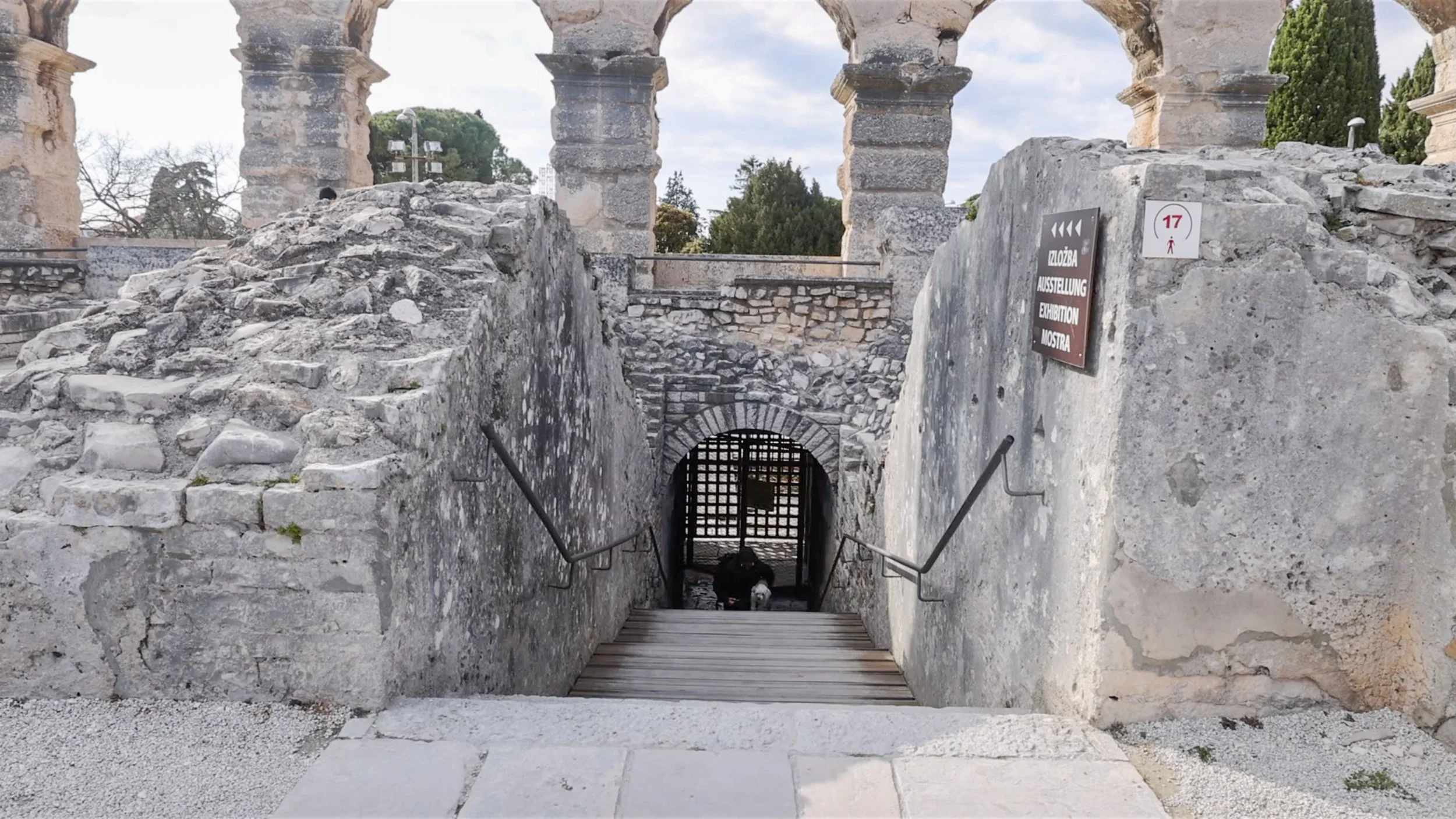
The amphitheater is partially accessible. While most of the main level can be navigated, the basement gallery presents challenges for wheelchairs.
Mobile phones are permitted for personal use and photography. Please respect the historical site while using them.
The site is family-friendly, though parents should supervise children closely near the steep ancient stone steps.
Food and drink are not permitted inside the amphitheater grounds. Water bottles are allowed.
Pets are generally not permitted inside the amphitheater unless otherwise specified by event organizers.
Audio guides are available via QR codes located at the entrance. The ticket office closes one hour before the official closing time.
Flavijevska ulica, 52100
Primary entrance for visitors and tour groups.
Get directionsBest time to go, insider tips, nearby landmarks, and the cancellation fine print — flip through to skim what matters to you.
How crowds, weather, and events shift across the year.
Mild temperatures and thinner crowds make this ideal for walking the stone tiers comfortably.
Small details that turn a good visit into a great one.
Book your tickets online in advance to save time at the entrance. Ticket office lines can be long during peak morning hours.
Non-bookable sights within a short walk — free to visit, easy to pair.
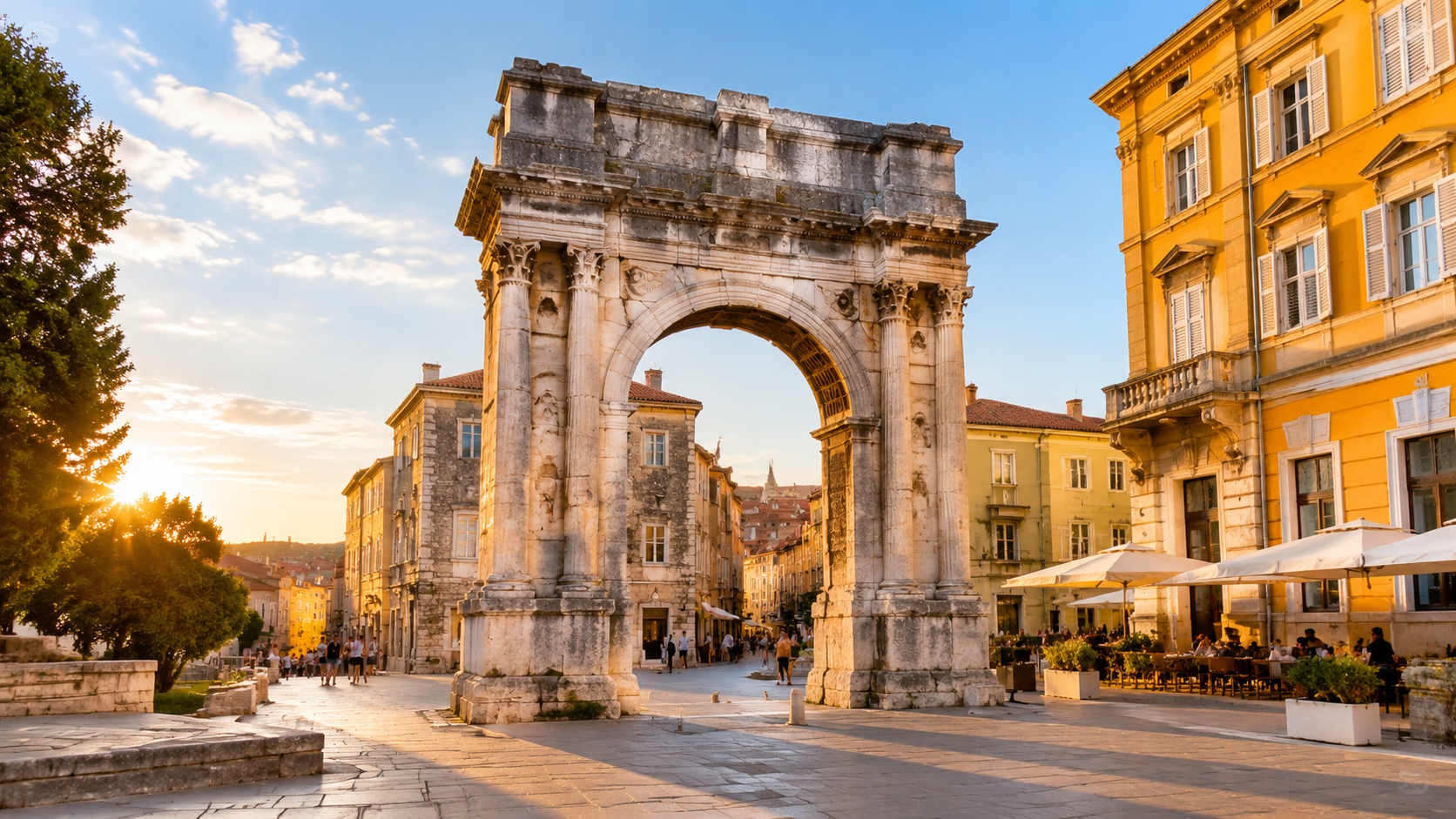
A majestic ancient Roman gateway marking the entrance to the old city.
Flexible, no hidden fees.
Tickets are typically non-refundable once purchased. Please check your specific vendor's terms for details on Pula Arena tickets.
Hand-picked options within walking distance — pick a district for vibe, or a specific hotel for convenience.
High-end stay with direct views of the ancient monument.
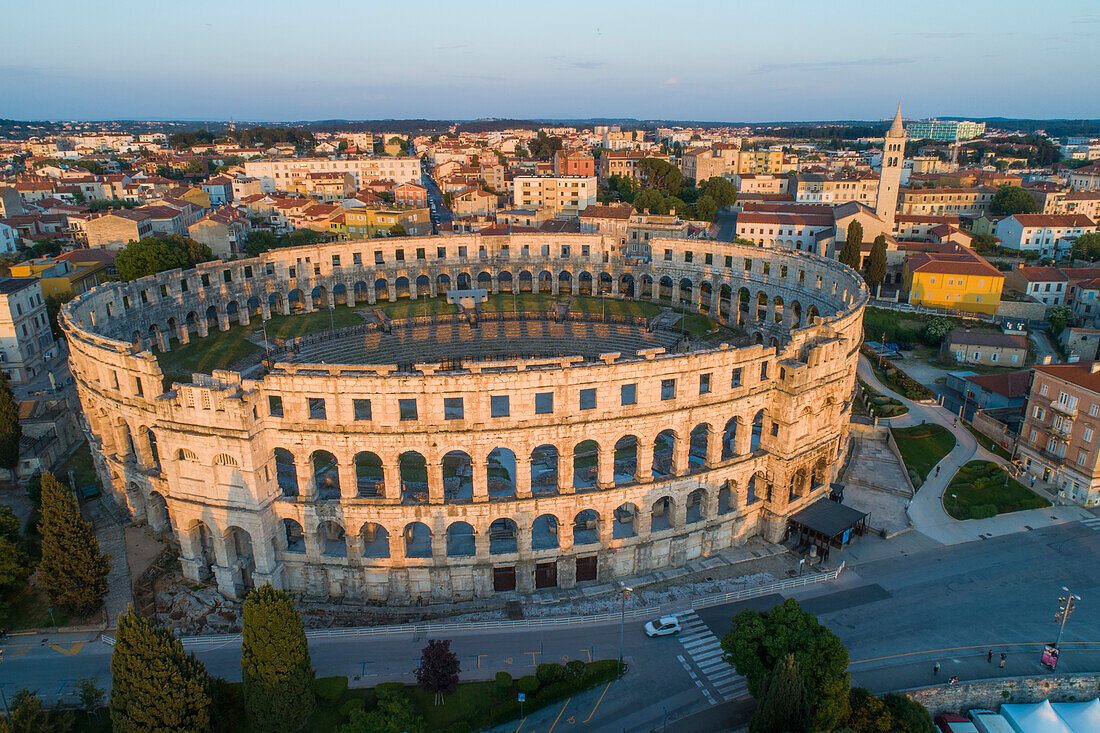
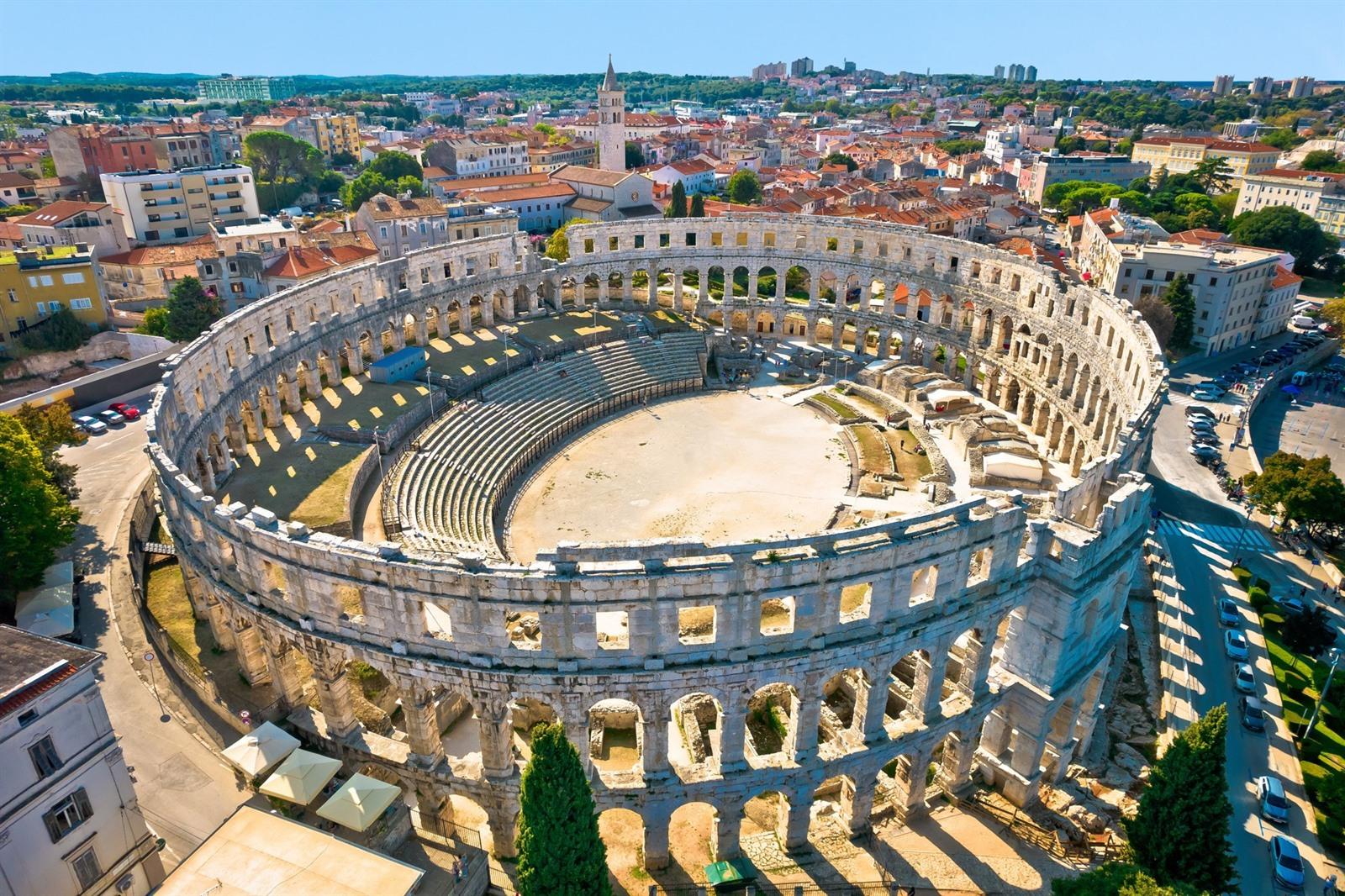
The amphitheater Pula was erected between 27 BC and 68 AD under three successive emperors, its four towers rising to house wooden machinery that hoisted velarium awnings across the arena floor.
Unlike the Colosseum, which lost its outer arcade to Renaissance quarrying, Pula's ellipse retains all four stories of Istrian limestone — sixty-four rectangular windows on the upper tier, forty-two arches below. It seated twenty-three thousand spectators, more than the current population of the city that surrounds it. The arena measures 132 by 105 meters along its axes, making it the sixth-largest surviving Roman amphitheater and the only one to preserve all four side towers intact. Vespasian commissioned the final phase after he drained the imperial treasury to build the Flavian dynasty's monuments across the empire. Pula's version was funded by local tribute from Histria's wheat and wine trades.
Today the structure anchors Pula's Flavijevska ulica, where cafes occupy former merchant stalls and cruise passengers arrive each morning from the Adriatic terminals three kilometers south. The underground corridors, open since 1995 excavation work, house an olive-oil amphora exhibition tracing Istria's export economy under Augustus. Summer opera productions use the original arena floor. A glass-floor viewing panel in the northwestern passage shows the Roman drainage channels that funneled blood and wash water toward the harbor. The conservation fee, fixed at 10 EUR since 2022, supports limestone weathering studies conducted by the Croatian Conservation Institute. The site opens at 09:00 daily, and morning light strikes the eastern arcade at an oblique angle that exposes the mason's chisel marks on each voussoir. Amphitheater Pula tickets grant access to the arena floor, the subterranean galleries, and the tower staircases that climb to the uppermost promenade overlooking the Kvarner Gulf. The Croatian Ministry of Culture classifies the structure as a Category I monument, forbidding any addition or structural alteration without parliamentary consent. By 2026, annual visitor numbers had stabilized at four hundred seventy thousand, a figure the site's custodians — AMI Pula — report allows controlled access without accelerating erosion.
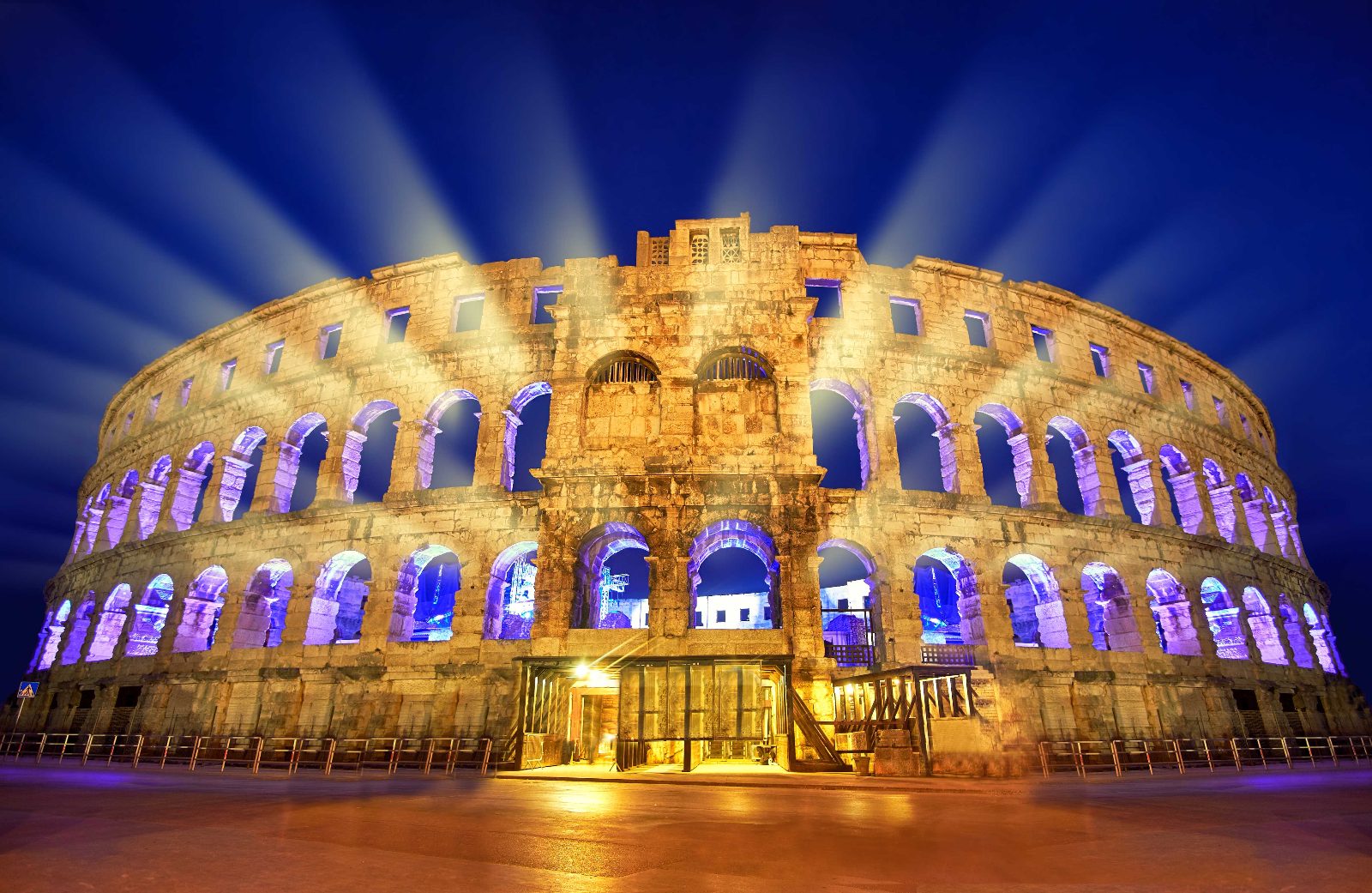
Archaeologists drilling through the arena floor in 2018 confirmed that the original hypogeum system extended forty meters east, ending beneath present-day Forum Square. Graffiti scratched into corridor walls — legible Latin curses, gladiator rosters, a second-century complaint about delayed grain shipments — offer primary-source evidence of daily routines. The amphitheater Pula opening hours remain consistent year-round, a rarity among Adriatic heritage sites that shorten schedules in winter. Amphitheater Pula concerts, staged since 1954, include the Pula Film Festival's outdoor screenings every July and the Dimensions electronic music festival each August, both confined to temporary flooring that shields the ancient pavement.

"Unlike the Colosseum, which lost its outer arcade to Renaissance quarrying, Pula's ellipse retains all four stories of Istrian limestone — sixty-four rectangular windows on the upper tier, forty-two arches below."
A step-by-step walkthrough of Amphitheater Pula tickets — what you'll see, how long each stage takes, and the details that matter.
You arrive on Flavijevska ulica as the gates open at 09:00, joining a short queue beneath the western arcade where ticket scanners replace the wooden turnstiles installed in 1998.
You pass through the vaulted corridor — cool air, limestone scent — and emerge onto the arena floor, an uninterrupted oval of packed earth forty meters across. Shadows from the upper tiers recede as the sun climbs. You walk the perimeter, noting the numbered seating blocks carved into the lowest stone benches, then descend the modern steel staircase into the underground galleries. Glass cases here hold amphora fragments, iron tools, animal bones — the residue of venationes and gladiatorial pairings.
You climb the northeastern tower, a narrow spiral of sixty-eight steps, and step onto the open promenade circling the amphitheater's rim. The Kvarner Gulf spreads southeast, cargo cranes visible at the container port. To the north, red-tile roofs cascade toward the Temple of Augustus. A bronze plaque identifies each tower by its Roman designation: Turris Septentrionalis, Turris Orientalis. You return to the arena floor and pause at the glass viewing panel that exposes the drainage channels. Light shifts across the stone as morning advances. By 10:30 you exit through the southern gate, the city's buses and scooters resuming normal volume on the streets outside.
The site is open daily from 09:00–17:00. The ticket office closes one hour before final daily operations conclude.
The site is partially accessible, though the lower gallery can be difficult to navigate with a wheelchair.
The entrance fee is 10 EUR per adult visitor as a conservation fee.
Prohibited items include large bags, weapons, alcohol, and sharp objects. Check your ticket for event-specific rules.
Visit between 09:00–10:30 for fewer crowds and softer light for your visit.
Yes, photography for personal use is allowed throughout the site.
Yes, it is a family-friendly destination, though children should be supervised on uneven stone steps.
You can buy tickets online via the official site or at the entrance to ensure you have your amphitheater pula tickets.
You can explore the ancient arena floor, the stone tiers, and the underground exhibition regarding Roman viticulture.